








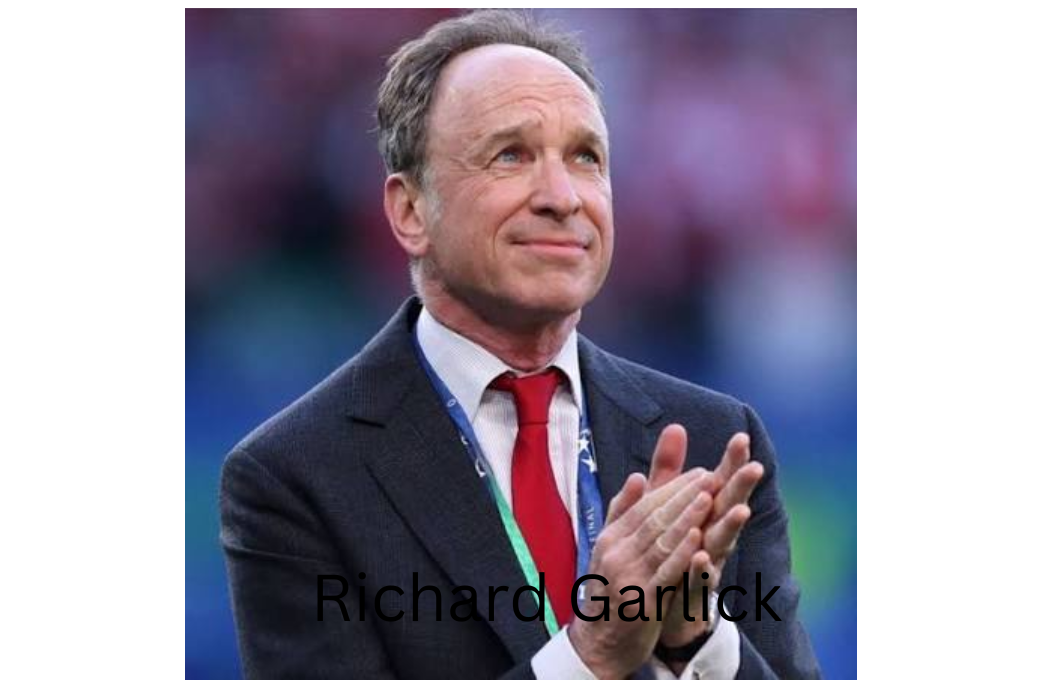
Richard Garlick is a prominent figure in modern English football administration. Unlike players and managers who regularly appear in front of cameras, Garlick has built his reputation behind the scenes, working across football operations, legal affairs, governance, contracts, and club management. His career has taken him from West Bromwich Albion to the Premier League and eventually to Arsenal, where he has become one of the most influential executives within the club.
Garlick’s professional journey is particularly interesting because his background is rooted in law rather than professional football playing. His experience as a qualified solicitor specializing in sports law has helped him develop an understanding of the complicated legal and financial processes involved in running a modern football organization. Over the years, he has worked closely with clubs, players, managers, governing bodies, and executives.
Today, Richard Garlick is closely associated with Arsenal’s long-term football strategy and organizational development. His career provides an interesting example of how legal expertise and football administration can combine to create a successful path in the sports industry.
Who Is Richard Garlick?
Richard Garlick is an English football executive and sports-law professional whose career has focused on football administration and operations. He became widely known during his years at West Bromwich Albion, where he progressed through legal and administrative positions before taking on greater responsibility for football operations.
He later joined the Premier League, serving as director of football, before moving to Arsenal in 2021. At Arsenal, his responsibilities have included football operations, player contracts, relationships with governing bodies, and coordination between different areas of the club.
His career demonstrates that football leadership extends far beyond what happens on the pitch. Modern clubs require professionals who understand contracts, regulations, finances, employment matters, transfers, governance, and organizational strategy.
Richard Garlick’s Early Professional Background
Garlick’s professional foundation was in law. Rather than beginning his career as a footballer or coach, he developed expertise as a solicitor, eventually specializing in sports-related legal matters.
This legal background became particularly valuable as his career moved into football administration. Professional football involves thousands of legal and regulatory considerations, especially when clubs are negotiating player contracts, transfers, employment agreements, sponsorship arrangements, and relationships with governing organizations.
His experience allowed him to approach football operations from a different perspective. Instead of focusing primarily on tactics or coaching, Garlick developed expertise in the systems that allow clubs and football organizations to function effectively.
His Career at West Bromwich Albion
A major stage in Richard Garlick’s career came at West Bromwich Albion. He spent several years at the club and gradually moved from legal responsibilities into wider football administration.
According to contemporary reporting, Garlick initially worked in legal and club-secretary roles before his responsibilities expanded. In 2013, he became involved more directly in sporting and technical matters, and by the following years he had taken on an increasingly important role within the club’s football structure.
His time at West Brom was important because it gave him practical experience of how a professional football club operates. His responsibilities involved more than legal paperwork. He became involved in decision-making and the coordination of football-related activities.
This period helped establish Garlick as a respected football administrator and prepared him for his eventual move to the Premier League.
Richard Garlick and the Premier League
In 2018, Garlick moved from West Bromwich Albion to the Premier League, where he became director of football. This represented a significant step in his career because the Premier League operates on a much broader scale than any individual club.
At the league level, Garlick was able to work with issues affecting professional football across England. His experience in law and club administration was particularly relevant to matters involving regulations, governance, player-related processes, and relationships between clubs and football authorities.
His time at the Premier League also expanded his understanding of the wider football ecosystem. Instead of looking at football from the perspective of a single club, he gained experience with the league as a whole.
This experience would later prove valuable when he joined Arsenal.
Joining Arsenal
In January 2021, Arsenal announced that Richard Garlick would join the club as director of football operations. He officially moved from the Premier League to Arsenal later that year.
The role placed him within Arsenal’s executive structure and involved working closely with important football figures, including technical director Edu and manager Mikel Arteta.
His responsibilities included first-team and academy football operations, player contract management, and relationships with football’s governing bodies.
The appointment made sense given Garlick’s background. Arsenal needed an executive who could connect the club’s football ambitions with the legal, financial, administrative, and regulatory requirements needed to implement those ambitions.
What Does Richard Garlick Do at Arsenal?
The role of a senior football executive is often misunderstood because much of the work takes place away from the public eye.
At Arsenal, Garlick’s responsibilities have included helping manage the operational side of football. This can involve contracts, registrations, transfers, governance, relationships with authorities, and coordination between departments.
A football transfer, for example, is much more complicated than simply agreeing on a player’s fee. Contracts have to be negotiated, legal requirements have to be satisfied, financial considerations need to be addressed, and documentation must be completed correctly.
Garlick’s legal background makes him particularly suited to this type of work.
His role also involves connecting different parts of the organization. Football departments, finance teams, legal professionals, senior executives, coaches, and recruitment personnel all need to work together for major decisions to succeed.
Promotion to Managing Director
Garlick’s influence at Arsenal continued to grow. In May 2024, he was promoted to managing director, increasing his responsibilities within the club. Career records also show his progression from director of professional football to managing director during his Arsenal tenure.
This promotion reflected the confidence Arsenal placed in his ability to contribute beyond traditional football operations.
As managing director, his responsibilities became increasingly connected to the overall strategic direction of the club. This included helping maintain the organization’s football ambitions while also supporting its broader business and operational objectives.
His progression illustrates how experience in specialized areas such as sports law can eventually lead to senior leadership positions within major football organizations.
Richard Garlick Becomes Arsenal Chief Executive
A major milestone arrived in September 2025 when Richard Garlick was promoted to chief executive of Arsenal. Reuters reported that he replaced Tim Lewis following Lewis’s departure from the club’s executive leadership structure.
The appointment marked another important stage in Garlick’s rise.
As chief executive, his responsibilities extend beyond football operations. The position requires oversight of a major international sports organization, including its commercial activities, organizational strategy, football ambitions, financial stability, supporters, and wider community relationships.
Garlick’s long experience in football administration gives him a strong foundation for this role.
His Leadership Philosophy
One of the notable characteristics of Richard Garlick’s career is his emphasis on long-term development.
Senior football executives have to balance immediate results with sustainable progress. A club may want to sign expensive players or make dramatic changes, but successful organizations also need to consider contracts, finances, infrastructure, academy development, recruitment, and long-term planning.
Garlick’s career suggests an approach built around structure and careful execution.
His legal background may also contribute to this methodical style. Football executives frequently need to manage complex negotiations and make decisions where small details can have significant consequences.
Richard Garlick and Arsenal’s Long-Term Ambitions
Arsenal’s development under manager Mikel Arteta has involved significant organizational and sporting changes. Garlick has been part of the club’s executive structure during this transformation.
In 2026, Garlick publicly described Arsenal’s ambition as being at the beginning of a period of sustained success after the club won its first Premier League title in more than two decades. He emphasized that the title should be viewed as a beginning rather than an endpoint.
That perspective highlights the role of an executive in maintaining momentum after achieving a major sporting objective.
Winning a trophy is difficult, but building an organization capable of competing consistently at the highest level can be even more challenging.
Why Richard Garlick Is Important to Modern Football
Richard Garlick’s career highlights how much professional football has changed.
Football clubs are now sophisticated organizations that operate across sport, entertainment, business, media, technology, finance, and international markets. The people managing these organizations need a wide range of professional skills.
Garlick’s career demonstrates the importance of legal and administrative expertise within football.
His work may not always receive the same attention as a goal scored by a star player or a tactical decision made by a manager, but executive decisions can have a major impact on a club’s future.
Transfers, contracts, regulations, organizational structures, and long-term planning all influence what happens on the pitch.
Richard Garlick’s Professional Reputation
Garlick has developed a reputation as an Richard Garlickexperienced football administrator with extensive knowledge of the operational side of the sport.
His progression from solicitor to senior football executive is particularly notable. He has worked at three different levels of English football administration: a professional club, the Premier League, and one of England’s most internationally recognized clubs.
That combination gives him an unusual perspective.
At West Bromwich Albion, he learned how football administration works at club level. At the Premier League, he gained experience with league-wide structures and regulations. At Arsenal, he has been able to apply that knowledge within a major global football organization.
Conclusion
Richard Garlick’s career is a story of progression, specialization, and leadership in modern football. Starting from a legal background, he developed extensive experience in football administration at West Bromwich Albion before moving to the Premier League and eventually joining Arsenal.
At Arsenal, his responsibilities expanded from football operations to managing director and ultimately chief executive. His career demonstrates that influential football careers are not limited to players and coaches. Behind every major club is a large team of executives and professionals responsible for making complex decisions possible.
Garlick’s expertise in sports law, football operations, contracts, governance, and organizational leadership has helped shape his professional journey. His current position at Arsenal places him at the center of the club’s future planning and ambitions.
For football supporters, Richard Garlick may not be as familiar a name as Arsenal’s players or manager, but his influence is significant. His career represents the increasingly important role of professional executives in the modern game and offers an interesting example of how legal expertise can develop into senior leadership within one of football’s biggest institutions.