





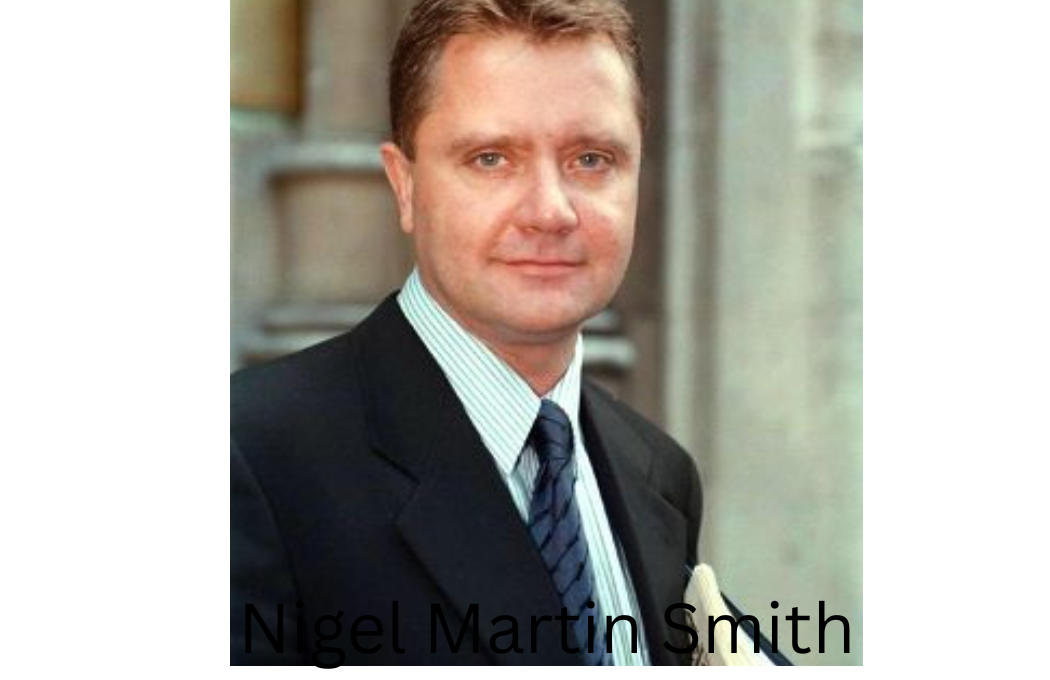
Nigel Martin-Smith is a British music and talent manager best known for helping create and manage Take That, one of the most successful British pop groups to emerge in the 1990s. Although the members of Take That became household names, Martin-Smith’s role behind the scenes was important in bringing the group together and shaping its early direction.
Based in Manchester, Martin-Smith built his career in the entertainment industry at a time when much of Britain’s music and television business was concentrated in London. His work with performers, actors and emerging musical talent eventually led to the formation of Take That and placed him at the centre of one of British pop music’s most memorable success stories.
Who Is Nigel Martin-Smith?
Nigel Martin-Smith is an English entertainment manager and talent professional from Manchester. He entered the entertainment business during the early 1980s, initially working as a casting agent. His early career involved finding and promoting talent for film and television, and he developed a reputation for supporting performers from outside London’s traditional entertainment circles.
His career eventually moved increasingly toward music management. One of his early successes in music came through the artist Damian, whose version of “The Time Warp” reached the UK Top 10 in 1989. This experience helped establish Martin-Smith’s credentials as someone capable of identifying performers and developing entertainment projects.
However, his name became internationally associated with one particular project: Take That.
Nigel Martin-Smith and the Formation of Take That
The origins of Take That can be traced to Martin-Smith’s interest in the successful boy-band model that had become popular in the United States. New Kids on the Block had demonstrated the commercial potential of a carefully assembled group of young male singers and dancers, and Martin-Smith believed a similar concept could work in Britain.
Martin-Smith began looking for young performers who could combine singing, dancing and stage presence. Auditions were held in Manchester and the surrounding area. Gary Barlow became an important part of the project because of his songwriting and musical abilities.
The eventual lineup consisted of Gary Barlow, Howard Donald, Jason Orange, Mark Owen and Robbie Williams. The group was initially associated with the name Kick-It before becoming known as Take That.
This approach was significant because Martin-Smith was not simply managing an already established band. He was involved in the process of assembling the group itself.
The Rise of Take That
Take That developed rapidly during the early 1990s. Their combination of pop songs, choreography, youthful image and energetic performances connected strongly with a large audience.
Between their first single release in 1991 and their initial breakup in 1996, Take That became one of Britain’s biggest pop acts. Sources documenting the group’s history describe the band as a major force in British popular music during the first half of the 1990s.
Albums such as Everything Changes and Greatest Hits became major commercial releases. The group’s success also demonstrated the effectiveness of the carefully developed boy-band format that Martin-Smith had pursued.
For Martin-Smith, the success of Take That established his reputation as a major figure behind the scenes of British pop music.
His Management Style and Approach to Talent
Martin-Smith’s career illustrates an important aspect of the entertainment industry: successful performers often have teams working behind them.
A manager can become involved in many areas, including identifying talent, arranging professional opportunities, developing an artist’s public image, negotiating business relationships and helping coordinate releases and performances.
Martin-Smith’s early experience as a casting agent gave him a background in identifying people with potential. His work in Manchester also reflected his interest in developing local talent rather than focusing exclusively on established London-based networks.
The formation of Take That showed how this approach could be applied to music. Instead of waiting for an existing group to become successful, Martin-Smith helped construct a group around particular qualities and skills.
The Departure of Robbie Williams
One of the most important chapters in Take That’s early history was Robbie Williams’ departure from the group in 1995.
Williams had become one of the five recognizable members of Take That, but tensions surrounding his role in the group eventually contributed to his departure. Take That subsequently continued as a four-piece before splitting in 1996.
Williams later developed a highly successful solo career, while Take That’s remaining members pursued their own paths before eventually returning to music together.
The history between Williams and Martin-Smith also became the subject of legal disputes years later. These disputes form an important part of Martin-Smith’s public professional history, although they should be considered separately from the musical achievements of Take That.
The Legal Dispute With Robbie Williams
Martin-Smith and Robbie Williams became involved in a legal dispute concerning management arrangements following Williams’ departure from Take That.
According to documented accounts, Martin-Smith sued Williams over unpaid commission connected with a Take That management contract in 1997. The court found in Martin-Smith’s favour, and Williams subsequently lost an appeal.
A separate dispute arose years later concerning material associated with Williams’ 2006 album Rudebox. Martin-Smith pursued legal action relating to defamatory material, and the dispute ultimately resulted in a High Court award of £300,000 along with an apology from Williams and EMI.
These events attracted attention because of the prominent careers of both men, but they represent only one part of Martin-Smith’s much longer career in entertainment.
Nigel Martin-Smith After Take That
Martin-Smith continued working in entertainment after Take That’s original breakup. His career included work with other performers and entertainment businesses.
He entered into a consultancy arrangement with Virgin Records and was involved with the comeback of Scottish singer Lulu. He also continued developing talent agencies and management businesses in Manchester.
His professional interests extended beyond music. His agencies worked with actors and other performers, demonstrating that his career was broader than his association with one pop group.
Among the performers associated with his wider management activities was actor Adam Rickitt, who was signed in the late 1990s.
The 2005 Take That Reunion
Take That’s story did not end with the group’s 1996 split. The band eventually reunited in the 2000s, creating another major chapter in its history.
Martin-Smith was involved with the group’s 2005 relaunch. His work included co-producing a television documentary, managing the release of The Ultimate Collection and helping with the group’s return to live performance.
The reunion became much bigger than some people initially expected. Martin-Smith later acknowledged that he had originally thought the comeback might amount mainly to a tour, but the group went on to achieve significant renewed success.
His involvement in this period demonstrated that his connection with Take That was not limited to the band’s original 1990s era.
The Mend and Later Talent Projects
Martin-Smith also remained interested in creating new groups.
In the late 2000s, he formed a new vocal group after holding auditions for young performers from the North West. The group initially used the name ASBRO before later becoming known as The Mend. The band eventually appeared on Britain’s Got Talent in 2012.
This project reflected Martin-Smith’s continuing interest in the process that had originally helped establish Take That: identifying performers, bringing them together and developing them as a group.
Nigel Martin-Smith and Yes Lad
Another notable later project was his management of the boy band Yes Lad.
ITV’s Lorraine reported in 2017 that Martin-Smith was managing the group, which included former X Factor contestants. The programme highlighted the connection between Yes Lad’s development and Martin-Smith’s earlier work with Take That.
The project showed that even after decades in entertainment, Martin-Smith remained interested in developing young musical talent.
His Connection With Manchester
Manchester is an important part of Nigel Martin-Smith’s professional identity.
Rather than building his career exclusively through London’s entertainment establishment, he developed businesses and talent networks in Manchester. His early work from offices at the Royal Exchange and his later agency activities helped establish his connection with the city’s entertainment scene.
Take That’s Manchester origins are also central to the group’s identity. The band’s formation involved performers from Manchester and the surrounding North West region, giving the project a strong regional connection.
For this reason, Martin-Smith’s story is closely connected with the development of Manchester’s contribution to British popular culture.
What Is Nigel Martin-Smith Known For?
When people search for Nigel Martin-Smith, the most common reason is his connection to Take That.
His major areas of recognition include:
- Helping assemble the original Take That lineup.
- Managing Take That during its breakthrough period.
- Developing entertainment and talent businesses in Manchester.
- Working with other singers and actors.
- Participating in Take That’s 2005 comeback project.
- Developing later vocal groups and young performers.
- Being involved in highly publicized legal disputes with Robbie Williams.
His career therefore covers much more than the management of a single band, although Take That remains his defining professional association.
Nigel Martin-Smith’s Legacy in British Pop
Martin-Smith’s significance in British music comes largely from his role in the creation and early management of Take That.
The group’s success helped establish a template for British boy bands that combined singing, choreography, carefully developed personalities and strong commercial presentation. While many other groups later followed similar models, Take That became one of the most enduring examples.
The group’s later reunions also gave its original story unusual longevity. What began as a Manchester talent-management project in the late 1980s eventually became a major British pop institution.
Martin-Smith’s career also illustrates the importance of managers in the entertainment industry. Audiences generally see performers on stage, but managers and talent professionals often play an important role in discovering performers, assembling projects and creating opportunities behind the scenes.
Frequently Asked Questions About Nigel Martin-Smith
Who is Nigel Martin-Smith?
Nigel Martin-Smith is a British entertainment and music manager from Manchester. He is best known for helping form and manage Take That.
What is Nigel Martin-Smith famous for?
He is primarily famous for creating and managing the original Take That lineup, which included Gary Barlow, Mark Owen, Howard Donald, Jason Orange and Robbie Williams.
When did Nigel Martin-Smith form Take That?
The development of Take That began around 1989, with auditions and the assembly of the group’s members taking place around 1990.
Was Nigel Martin-Smith involved in Take That’s reunion?
Yes. He was contracted to work on the group’s 2005 relaunch and was involved with its documentary, compilation release and planned tour.
Did Nigel Martin-Smith manage other performers?
Yes. His career included work with performers such as Lulu, Damian, Kavana and Adam Rickitt, as well as later musical projects.
Final Thoughts
Nigel Martin-Smith occupies an unusual position in British pop history. He was not the singer standing on stage or the songwriter whose name appeared on the record sleeve, but his role behind the scenes helped bring together five young performers who would become Take That.
From his early work as a casting agent in Manchester toNigel Martin Smith his involvement with Take That’s formation, breakup and eventual reunion, Martin-Smith’s career has been closely connected with major moments in British entertainment.
His story also demonstrates how talent management can influence popular culture. By identifying performers, bringing them together and developing a commercially focused musical project, he helped create one of Britain’s most recognizable pop groups.
Although Take That remains the achievement most strongly associated with his name, Martin-Smith’s wider career includes decades of work with singers, actors, agencies and emerging performers. His continuing connection with talent development makes him an interesting figure for anyone exploring the people who helped shape modern British pop music.